.png)
Top Prop Builder Platforms for US Sportsbooks 2026

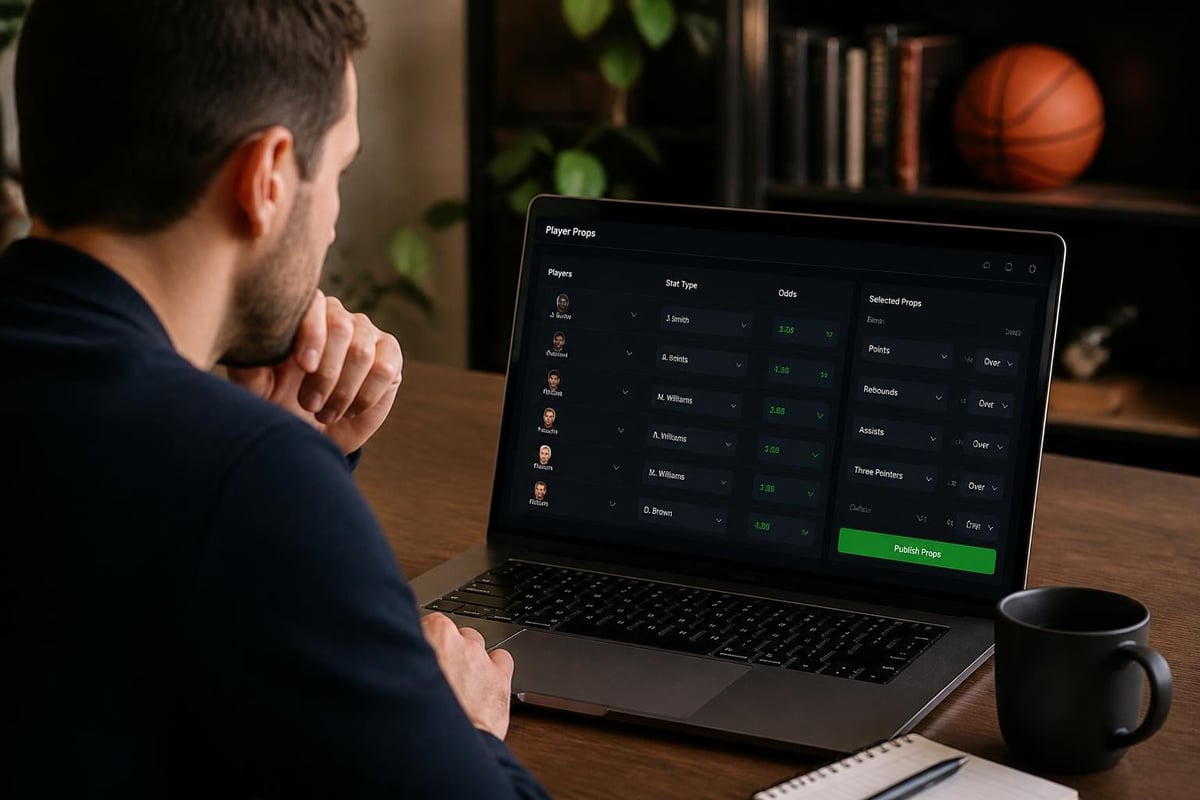
The prop builder has revolutionized sports betting software in 2026, giving bookmakers and Pay Per Head providers a competitive edge in an increasingly crowded US market. These platforms allow players to create customized proposition bets beyond standard offerings, combining multiple player statistics, team performances, and game outcomes into personalized wagers. For sportsbook operators, agents, and PPH providers, implementing a robust prop builder isn't just about staying current-it's about maximizing player engagement, increasing handle, and differentiating your operation from competitors who still rely on traditional betting menus.
Top Prop Builder Platforms for US Sportsbooks
Selecting the right prop builder platform directly impacts player retention and profitability. The following platforms represent the most effective solutions for bookmakers and agents operating in the US market in 2026.
Best Overall: PerHead365 Custom Props Platform
Who It's Best For: Mid-to-large PPH operations seeking comprehensive customization and analytics
PerHead365 delivers an advanced prop builder platform that stands out for its unlimited custom proposition capabilities. The system supports both player and team props with real-time odds adjustments that respond to market movements across major sportsbooks.
Pros:
- Unlimited custom prop creation
- Real-time odds integration
- Comprehensive analytics dashboard
- Mobile-responsive interface
- Multi-sport support including NFL, NBA, MLB, NHL, and soccer
Cons:
- Higher price point than basic solutions
- Steeper learning curve for new agents
- Requires dedicated training for full feature utilization
The platform excels at handling complex parlays combining different prop types, which increases average bet size by 35-40% according to industry benchmarks. Integration with existing PPH systems typically completes within 48 hours, minimizing operational disruption.
Best Value: BossAction Custom Props Add-On
Who It's Best For: Smaller bookmakers and agents prioritizing cost-efficiency
BossAction's Custom Props Add-On provides excellent functionality at a more accessible price point. Players design personalized bets including player statistics and head-to-head matchups, creating engagement opportunities that mirror larger operations.
| Feature | PerHead365 | BossAction | Basic PPH Solutions |
|---|---|---|---|
| Custom Player Props | Unlimited | Up to 50/day | 10-15/day |
| Real-time Odds | Yes | Yes | Delayed |
| Analytics Dashboard | Advanced | Standard | Basic |
| Price Range | $$$ | $$ | $ |
| Integration Time | 48 hours | 24 hours | Same day |
Pros:
- Competitive pricing structure
- Quick implementation
- User-friendly interface
- Strong customer support
- Adequate for most small-to-mid operations
Cons:
- Daily prop creation limits
- Fewer customization options
- Limited multi-sport coverage
This solution works particularly well for agents testing prop builder functionality before committing to enterprise-level platforms. The system handles standard NFL and NBA props effectively, though exotic markets may require additional configuration.
Essential Features in Modern Prop Builder Technology
Understanding what separates effective prop builder platforms from basic offerings helps bookmakers make informed purchasing decisions. The technology landscape has evolved significantly since 2024, with artificial intelligence and machine learning now standard components in premium solutions.
Real-Time Odds Calculation and Risk Management
Modern prop builders must calculate odds dynamically based on multiple data sources. TRUEiGTECH provides real-time betting odds from over 100 sportsbooks, demonstrating the infrastructure required for competitive pricing. Systems that rely on manual odds setting or delayed updates create liability exposure and reduce player satisfaction.
Risk management integration separates professional platforms from consumer-grade tools. Effective systems should:
- Monitor exposure across correlated props
- Adjust limits based on player history and bankroll
- Flag suspicious betting patterns
- Integrate with existing risk management protocols
- Generate automated alerts for unusual activity
The best prop builder platforms connect directly to your comprehensive sportsbook solutions, ensuring unified risk assessment across all betting products.
Player Analytics and Engagement Metrics
Data-driven bookmakers track how prop builders affect overall operation performance. Key metrics include:
- Average bet size comparison (props vs. standard wagers)
- Player retention rates (users with prop access vs. without)
- Handle contribution (percentage of total handle from custom props)
- Time spent on platform (engagement duration differences)
- Cross-product usage (how prop builders drive other betting activity)
Operations implementing prop builders typically see 25-30% increases in player session duration and 18-22% improvements in weekly active user percentages. These engagement improvements translate directly to revenue growth when properly managed.

Best Prop Builder Options by Category
Different operational needs require different solutions. These category-specific recommendations help match technology to business requirements.
Best for AI-Powered Optimization: EdgeFinder and Prop Sniper
EdgeFinder utilizes AI to analyze sports bets and calculate expected value, providing bookmakers insights into how sharp players identify profitable opportunities. While designed for bettors, understanding these tools helps operators price props more effectively.
Prop Sniper offers automated +EV betting software that detects profitable bets across multiple sportsbooks. Bookmakers monitoring these platforms gain competitive intelligence about market inefficiencies and pricing opportunities.
For operators, the lesson is clear: your prop builder must incorporate comparable analytical capabilities to stay competitive with technology-savvy players.
Best for Fantasy Sports Integration: Fantasy Forge
Fantasy Forge assists users in ranking player props and building optimal combinations. This approach appeals to the growing fantasy sports demographic transitioning to sports betting.
Operations targeting fantasy players should prioritize prop builders that:
- Support same-game parlays with player props
- Offer season-long prop options
- Enable prop trading and cash-out features
- Integrate with fantasy sports data feeds
- Provide comparative player statistics
The fantasy-to-betting crossover represents one of the fastest-growing segments in US sports wagering, with particularly strong adoption among 25-40 year old males.
Implementation Strategies for PPH Operators
Successful prop builder deployment requires more than software installation. Strategic implementation maximizes ROI and minimizes operational challenges.
Technical Integration and Testing
Begin with comprehensive testing in a sandbox environment before live deployment. Critical testing phases include:
- Odds calculation verification (comparing outputs against known benchmarks)
- System load testing (simulating peak usage during major events)
- Risk management protocol validation (ensuring limits and flags function correctly)
- Mobile responsiveness testing (confirming functionality across devices)
- Player interface usability testing (gathering feedback from beta users)
Integration with existing mobile wagering platforms deserves particular attention, as 70-75% of prop builder usage occurs on smartphones and tablets in 2026.
Player Education and Promotion
Even the best prop builder fails without proper player education. Effective promotional strategies include:
- Tutorial videos demonstrating prop creation processes
- Sample props showcasing platform capabilities
- Introductory bonuses (free plays or enhanced odds on first custom prop)
- Regular content highlighting interesting prop opportunities
- Social proof (displaying popular player-created props)
Your sports betting marketing strategies should emphasize the customization and control players gain through prop builder access.
Pricing Models and ROI Considerations
Prop builder platforms employ various pricing structures that impact operational economics differently.
| Pricing Model | Best For | Typical Cost Range | Break-Even Timeline |
|---|---|---|---|
| Flat Monthly Fee | Stable player bases | $500-$2,500/month | 2-4 months |
| Per-Player Fee | Growing operations | $2-$8/active player | 3-6 months |
| Revenue Share | Risk-averse operators | 5-15% of prop handle | 1-3 months |
| Hybrid Model | Large operations | Variable | 2-5 months |
Calculate ROI by comparing incremental handle increases against total platform costs. Most operators achieve break-even within 3-5 months, with ongoing profitability dependent on player adoption rates and effective risk management.

Regulatory Considerations and Compliance
The regulatory landscape for prop builders varies across US jurisdictions. Some states impose restrictions on proposition types, particularly those involving college athletes or non-performance outcomes.
State-Specific Requirements
Nevada allows broad prop offerings with minimal restrictions on professional sports. New Jersey permits most props but restricts certain college player propositions. Colorado and Indiana maintain similar frameworks with nuanced differences in approval processes.
Your prop builder must include:
- Geographic restriction capabilities
- Prop type filtering by jurisdiction
- Automated compliance reporting
- Audit trail functionality
- Age verification integration
Working with established sportsbook providers ensures regulatory expertise and compliance infrastructure that protects your operation from inadvertent violations.
Advanced Prop Builder Capabilities
Premium platforms extend beyond basic custom prop creation into sophisticated territory that drives competitive advantages.
Decentralized Technology and Transparency
Research into decentralized sports betting platforms using automated market makers highlights emerging trends in transparency and security. While most PPH operations won't implement blockchain-based solutions in 2026, understanding these concepts informs future-proofing strategies.
AI-Powered Prop Suggestions
PropsBot.AI's guide explains how sportsbook prop builders work and how AI identifies +EV custom props. Forward-thinking bookmakers incorporate these capabilities to:
- Suggest correlated props to players
- Identify pricing inefficiencies before sharp players
- Automate odds adjustments based on betting patterns
- Generate popular prop combinations algorithmically
Customization Beyond Standard Props
The most advanced platforms enable truly unique proposition types:
- Micro-props (single-play outcomes like next pitch type)
- Cross-sport props (combining outcomes from different games)
- Season-long props (cumulative statistics over extended periods)
- Social props (friend-versus-friend competitions)
- Live props (in-game custom propositions with real-time odds)
These exotic offerings appeal to recreational players seeking entertainment value beyond standard betting options.
Operational Best Practices
Maximizing prop builder performance requires ongoing management and optimization.
Monitoring and Adjustment Protocols
Establish daily review processes examining:
- Top-performing prop categories (which types generate most handle)
- Pricing accuracy (comparing closing odds to actual outcomes)
- Player feedback (identifying usability issues or desired features)
- Risk exposure (monitoring correlated prop combinations)
- Technical performance (tracking system speed and uptime)
Effective data analytics in betting operations transform raw usage data into actionable insights that improve both player experience and operational profitability.
Customer Support Integration
Prop builders introduce complexity that increases support ticket volume initially. Ensure your customer support infrastructure includes:
- Dedicated prop builder training for support staff
- FAQ sections addressing common prop creation questions
- Video tutorials accessible from support portal
- Live chat capabilities during peak betting periods
- Escalation protocols for technical issues
Support quality directly correlates with player adoption rates and long-term engagement with prop builder features.
Market Trends and Future Developments
The prop builder landscape continues evolving rapidly as competition intensifies and technology advances.
2026 Market Dynamics
Current trends reshaping prop builder offerings include:
- Increased mobile optimization (90%+ of development resources focused on mobile)
- Voice-activated prop creation (emerging but still experimental)
- Augmented reality prop displays (visualization of statistical probabilities)
- Social integration (sharing and competing with custom props)
- Gamification elements (achievement systems for prop creators)
Platforms like Bookie Helper's prop builder tool demonstrate the industry's movement toward increasingly customizable and user-friendly interfaces.
Competitive Positioning
As prop builders become standard rather than differentiating features, competitive advantage shifts to:
- Execution quality (speed, reliability, user experience)
- Odds competitiveness (pricing accuracy and market alignment)
- Prop variety (breadth of sports and proposition types)
- Integration depth (seamless connection with other platform features)
- Innovation pace (frequency of new capability releases)
Operations that treat prop builders as ongoing strategic investments rather than one-time implementations maintain market leadership positions.
Selecting the Right Prop Builder for Your Operation
Decision frameworks help bookmakers and agents match solutions to operational requirements.
Assessment Criteria
Evaluate potential prop builder platforms across these dimensions:
Technical Capabilities
- Odds calculation methodology and speed
- Supported sports and leagues
- Customization flexibility
- API quality and documentation
- System reliability and uptime history
Business Factors
- Pricing structure alignment with operation size
- Implementation timeline and resource requirements
- Ongoing support and maintenance terms
- Vendor stability and market reputation
- Contract flexibility and exit provisions
User Experience
- Player interface design and usability
- Mobile experience quality
- Speed and performance
- Learning curve for new users
- Accessibility features
Vendor Evaluation Process
Request demonstrations focusing on your specific operational needs. Test platforms with realistic use cases reflecting your player base's preferences and typical betting patterns.
Negotiate trial periods allowing real-world testing before full commitment. Most reputable vendors offer 30-60 day trial arrangements with limited risk.
Verify vendor claims through references from existing clients operating similar-sized books in comparable markets. Direct conversations with current users reveal implementation challenges and ongoing operational realities that sales presentations may obscure.
Prop builder technology represents a fundamental shift in sports betting, transforming passive players into active participants who design their own betting experiences. The platforms and strategies outlined here provide bookmakers and agents with actionable frameworks for implementation and optimization in 2026's competitive landscape. Whether you're exploring sportsbook solutions for the first time or enhancing existing operations, PerHead Kings delivers the comprehensive technology infrastructure, risk management tools, and expert support that turn prop builder capabilities into sustainable competitive advantages for your operation.
More Articles
Get the insight into the trending topics and latest action in the industry.



Sign Up Now
This is the day your business becomes elite!