.png)
Top Bet Types for US Sportsbooks in 2026

Understanding bet types is essential for any bookmaker or agent operating in the competitive US sports betting market. The right mix of betting options can significantly impact player engagement, retention, and overall profitability. Modern Pay Per Head platforms now offer sophisticated tools to manage multiple bet types simultaneously, allowing operators to cater to diverse player preferences while maintaining effective risk management. This guide examines the top bet types available for US sportsbooks in 2026, evaluating their strengths, limitations, and ideal use cases for different operator needs.
Top Bet Types for US Sportsbooks
The sports betting landscape has evolved dramatically, with players demanding more variety and flexibility in their wagering options. For bookmakers and agents, offering the right selection of bet types directly influences player satisfaction and betting volume. The following bet types represent the most valuable options for operators looking to build competitive betting solutions in 2026.
Moneyline Bets - Best Overall Simplicity
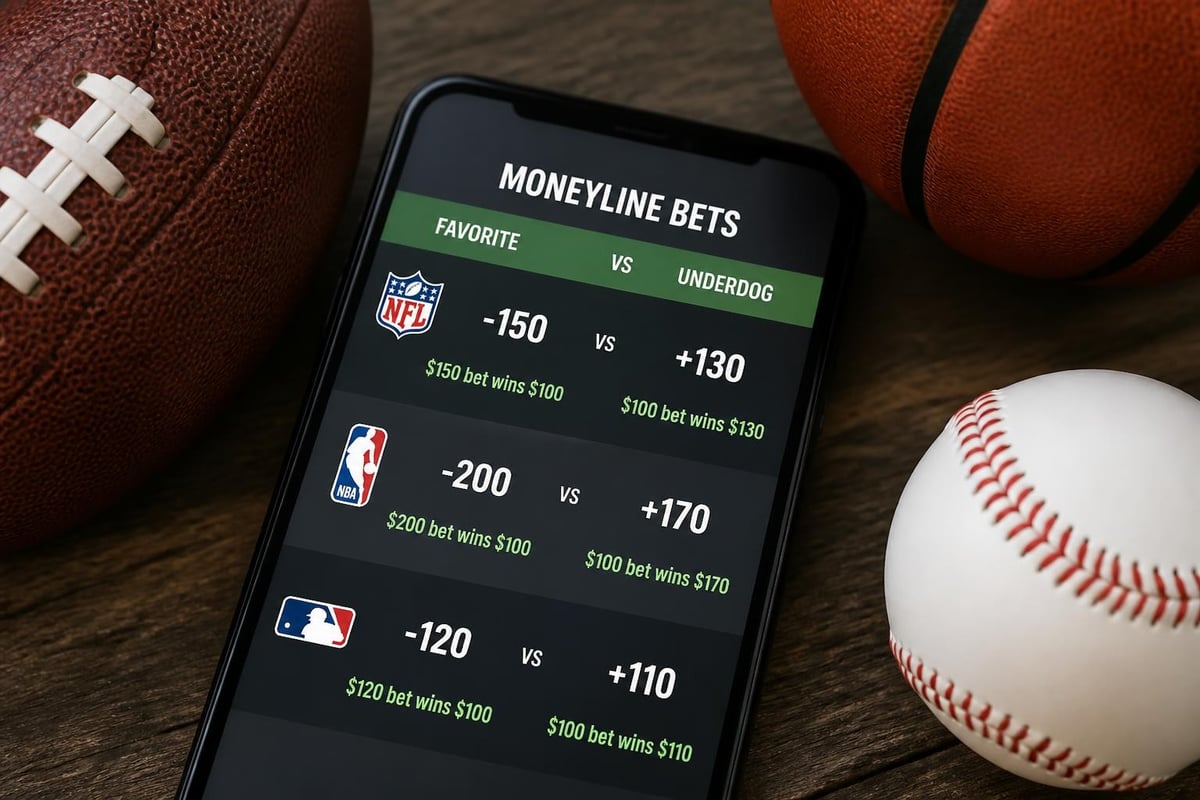
Moneyline bets remain the foundation of any successful sportsbook operation. These straightforward wagers require players to simply pick the winning team or individual, making them ideal for attracting casual bettors and maintaining steady action.
Pros:
- Extremely easy for new bettors to understand
- Lower operational complexity for bookmakers
- Consistent betting volume across major sports
- Minimal customer service inquiries
- Works well across all sports and competitions
Cons:
- Limited profit margins on heavily favored teams
- Requires careful line management for competitive matchups
- Less engaging for experienced bettors
- Lower hold percentage compared to exotic bet types
Best for: Operators targeting casual bettors, building foundational betting volume, or managing risk-averse operations. Moneyline bets provide steady, predictable action that forms the backbone of most successful sportsbook platforms.
According to comprehensive betting guides, moneyline wagers account for approximately 35-40% of total betting handle in major US markets, making them indispensable for any operation.
Point Spread Bets - Best for Balanced Action
Point spread betting levels the playing field between mismatched opponents, creating more competitive wagering opportunities. This bet type excels at generating two-sided action, which helps bookmakers manage risk more effectively.
Pros:
- Encourages betting on both sides of a matchup
- Higher engagement from knowledgeable bettors
- Better risk distribution for operators
- Works exceptionally well for football and basketball
- Creates opportunities for middle betting strategies
Cons:
- More complex for novice bettors to grasp
- Requires more sophisticated line-setting expertise
- Push outcomes require refund processing
- Increased customer questions about half-points
Best for: Established operators with experienced line managers, sportsbooks focused on NFL and college football action, and platforms serving intermediate to advanced bettors. The point spread bet type generates significant volume during football season and helps balance exposure across major sporting events.
Over/Under (Totals) Bets - Best for Consistent Volume
Totals betting allows players to wager on the combined score of both teams, independent of game outcomes. This bet type provides valuable diversification for sportsbook operations, as it appeals to different player psychology than outcome-based wagers.
| Feature | Operator Benefit | Player Appeal |
|---|---|---|
| Independent of winner | Reduces correlated exposure | Multiple bet opportunities per game |
| Season-long trends | Easier line prediction | Statistical analysis opportunities |
| Weather factors | Additional line movement angles | Strategic betting based on conditions |
| Scoring pace analytics | Data-driven line setting | Research-friendly bet type |
Best for: Bookmakers seeking to expand betting options without adding complexity, operators in markets with strong analytical betting communities, and platforms looking to increase bets per player without introducing exotic options.
Parlay Bets - Best for Profit Margins
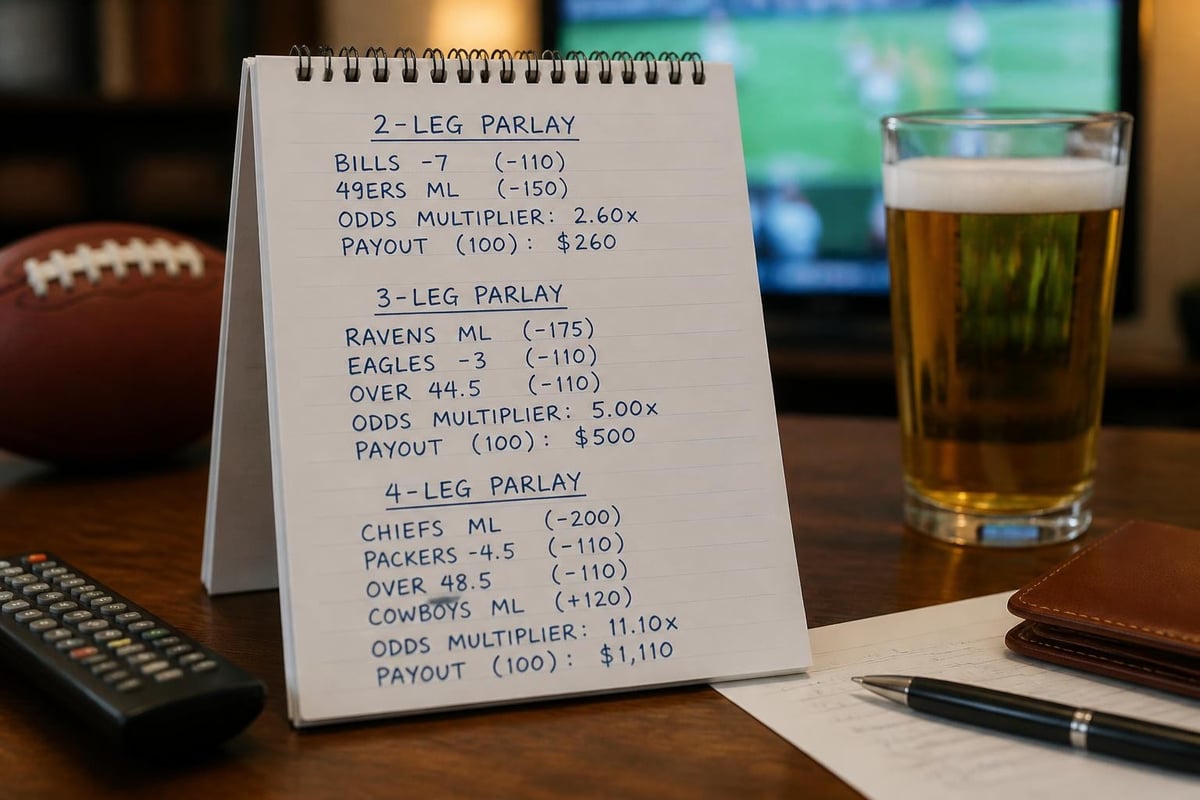
Parlay bet types combine multiple selections into a single wager, requiring all selections to win for the bet to pay out. This creates significantly higher potential payouts for players while generating superior hold percentages for operators.
Pros:
- Highest profit margins among standard bet types
- Attracts recreational bettors seeking big payouts
- Increases engagement through multi-game involvement
- Lower individual bet limits reduce risk exposure
- Appeals to lottery-style betting mentality
Cons:
- Can create large liability on winning tickets
- Requires robust risk management systems
- More customer disputes over leg settlements
- Complex payout calculations increase operational overhead
Understanding various betting types helps operators determine appropriate parlay limits and combinations. Modern PPH platforms now offer automated parlay building tools that streamline both player experience and operational efficiency.
Best for: Operators targeting recreational betting markets, platforms with strong risk management capabilities, and sportsbooks seeking to maximize hold percentage on smaller wagering volumes.
Proposition (Prop) Bets - Best for Player Engagement
Prop bets focus on specific events within games rather than final outcomes. These bet types have exploded in popularity, particularly around major sporting events, offering operators unique opportunities to differentiate their platforms.
Key Categories:
- Player performance props (yards, points, rebounds)
- Team-specific props (first to score, total field goals)
- Game occurrence props (will there be overtime, safety scored)
- Novelty props (coin toss, halftime show duration)
Best for: Operators with advanced risk management systems, sportsbooks seeking to capitalize on major events like the Super Bowl, and platforms targeting engaged, entertainment-focused bettors. The mobile wagering experience becomes particularly important for prop betting, as players often research and place these bets throughout game days.
Advanced Bet Types for Competitive Differentiation
Beyond the standard offerings, several advanced bet types help operators stand out in crowded markets. These options typically appeal to sophisticated bettors and can significantly increase lifetime player value.
Futures Bets - Best for Long-Term Engagement
Futures wagers focus on season-long or tournament outcomes, such as championship winners or award recipients. These bet types create sustained player interest and tie up capital for extended periods.
Strategic Value:
- Money held longer improves cash flow
- Creates season-long engagement touchpoints
- Lower daily management requirements
- Opportunities for hedging education
- Appeals to die-hard sports fans
Operational Considerations:
- Requires careful odds adjustment as seasons progress
- Must manage risk across correlated outcomes
- Longer settlement timelines affect some metrics
- Need robust systems to track long-term wagers
Futures betting works particularly well for operators with loyal player bases and strong retention strategies. The sports betting marketing strategies around futures often emphasize pre-season excitement and championship aspirations.
Live (In-Game) Betting - Best for Modern Platforms
Live betting represents the fastest-growing segment in sports wagering, allowing players to place bets as games unfold. This bet type requires sophisticated technology but delivers exceptional engagement metrics.
| Metric | Traditional Bets | Live Betting |
|---|---|---|
| Bets per player | 2-3 per event | 5-8 per event |
| Average hold % | 4.5-5.5% | 6-8% |
| Player session time | 15-20 minutes | 45-90 minutes |
| Technology requirements | Standard platform | Advanced real-time systems |
Best for: Tech-forward operators, platforms with reliable data feeds, and sportsbooks targeting younger demographics who expect real-time interaction. The infrastructure demands are significant, but the engagement benefits justify the investment for competitive operations.
Teaser Bets - Best for Football Season
Teaser bet types allow players to adjust point spreads in their favor across multiple games, reducing the payout but increasing win probability. These perform exceptionally well during NFL and college football seasons.
Pros:
- Popular among knowledgeable football bettors
- Creates strategic betting discussions
- Moderate hold percentage for operators
- Fills niche between straight bets and parlays
Cons:
- Limited appeal outside football
- Requires education for new players
- Complex payout structures
- Correlated parlay risks require monitoring
Familiarizing yourself with standard betting terminology helps when explaining teasers and other specialized bet types to your player base.

Implementing Bet Types Effectively
Selecting the right bet types for your sportsbook requires careful consideration of your target market, operational capabilities, and competitive positioning. Not every operation needs every bet type, and strategic focus often yields better results than attempting to offer everything.
Market-Specific Considerations
Different US regions show distinct preferences for bet types based on local sports culture, demographic factors, and competitive landscapes. Understanding these nuances helps operators allocate resources effectively.
Regional Preferences:
- Northeast markets favor traditional spreads and totals
- Southern regions show strong parlay betting activity
- West Coast players demonstrate higher prop bet engagement
- Midwest markets maintain strong futures betting volume
Technology Requirements by Bet Type
Modern Pay Per Head services provide the infrastructure necessary to support multiple bet types simultaneously, but understanding the technical demands helps operators make informed decisions.
Complexity Tiers:
Tier 1 - Basic Infrastructure:
- Moneyline bets
- Point spreads
- Totals
Tier 2 - Intermediate Systems:
- Parlays
- Teasers
- Basic props
Tier 3 - Advanced Platforms:
- Live betting
- Complex props
- Same-game parlays
- Microbetting
The data analytics capabilities required increase substantially as you move up complexity tiers, making platform selection crucial for long-term success.
Player Education Strategies
Even the best bet types fail to generate expected volume if players don't understand how they work. Successful operators invest in educational content and user experience design that demystifies betting options.
Effective Education Approaches:
- In-platform tutorials with examples
- Bet slip previews showing potential payouts
- Historical performance data for bet types
- Simple explanations of odds calculations
- Customer service training on common questions
Reference materials like comprehensive glossaries can support your customer education efforts, reducing confusion and increasing confident betting activity.
Risk Management Across Bet Types
Different bet types present distinct risk profiles that require tailored management approaches. Sophisticated operators develop specific strategies for each category rather than applying uniform risk controls.
Exposure Management Techniques
For Straight Bets (Moneyline, Spread, Totals):
- Monitor two-sided action percentages
- Adjust lines based on sharp bettor activity
- Use automated alerts for liability thresholds
- Balance limits across correlated games
For Parlay Bets:
- Set appropriate maximum payouts
- Restrict certain correlated combinations
- Monitor popular teaser scenarios
- Track historical win rates by leg count
For Prop Bets:
- Maintain conservative limits initially
- Increase limits as confidence grows
- Watch for information advantages
- Separate limits from game outcome bets
For Live Betting:
- Implement delay mechanisms appropriately
- Use multiple data feed sources
- Monitor for courtsiding attempts
- Adjust limits based on sport and league
Professional platforms enable granular control over each bet type's risk parameters, allowing operators to optimize profitability while maintaining player satisfaction.
Limit Structures and Player Tiering
Smart limit management varies by bet type and player classification. Recreational players might receive generous parlay limits but restricted sharp on futures, while proven winners face tighter constraints across all bet types.
| Player Type | Straight Bet Limits | Parlay Limits | Prop Limits | Live Limits |
|---|---|---|---|---|
| Recreational | $500-1,000 | $100-500 | $250-500 | $200-400 |
| Regular | $1,000-2,500 | $200-1,000 | $500-1,000 | $400-800 |
| VIP | $2,500-5,000 | $500-2,000 | $1,000-2,000 | $800-1,500 |
| Sharp/Limited | $500-1,500 | $100-500 | $200-500 | Restricted |
Seasonal Optimization of Bet Types
Betting activity fluctuates dramatically based on sports calendars, requiring operators to adjust their bet type emphasis throughout the year. Strategic operators prepare for these cycles and capitalize on seasonal opportunities.
Football Season (September-February)
Football dominates the US betting landscape, making this period ideal for emphasizing bet types that complement NFL and college football action. Point spreads, teasers, and team props perform exceptionally well during these months.
Priority Bet Types:
- Point spreads with alternate lines
- Game totals and team totals
- Same-game parlays
- Player props (passing yards, touchdowns)
- First half/quarter betting
Basketball Season (November-April)
NBA and college basketball create continuous betting opportunities with games nearly every day. This volume favors bet types that encourage multiple daily wagers and live betting engagement.
Priority Bet Types:
- Live betting (extensive game minutes)
- Player performance props
- Quarter/half betting
- Alternative spreads and totals
- Parlay builders with multiple games
Baseball Season (April-October)
Baseball's daily schedule and statistical nature make it perfect for totals betting, run lines, and prop bets focused on individual performance. The slower pace also supports more deliberate betting decisions.
Off-Season and Multi-Sport Periods
During transitions between major seasons, futures betting and international sports gain prominence. This is also an ideal time to introduce new bet types or test experimental options with reduced risk.
Building Your Bet Type Portfolio
Creating the optimal bet type mix requires balancing player preferences, operational capabilities, and profit objectives. Start with foundational options and expand strategically based on performance data and market feedback.
Recommended Progression for New Operators
Phase 1 - Foundation (Months 1-3):
- Moneyline bets
- Point spreads
- Totals
- Basic two-team parlays
Phase 2 - Expansion (Months 4-6):
- Teasers
- Basic player props
- Futures on major championships
- Three-to-five team parlays
Phase 3 - Differentiation (Months 7-12):
- Live betting (limited sports initially)
- Expanded prop offerings
- Same-game parlays
- Alternative lines
This measured approach allows operators to master each bet type's nuances before adding complexity, ensuring sustainable growth and manageable risk exposure.
Performance Metrics to Track
Monitoring the right metrics for each bet type helps operators identify opportunities and address problems quickly. Different bet types require different evaluation criteria beyond simple handle and hold percentage.
Essential Metrics by Bet Type:
- Straight Bets: Win rate by side, line movement patterns, sharp money indicators
- Parlays: Average legs per ticket, win rate by leg count, maximum exposure events
- Props: Limit utilization, settlement accuracy, customer inquiry rate
- Live Bets: Delay effectiveness, hold percentage by sport, bets per game
- Futures: Money tied up duration, hedge betting patterns, odds adjustment frequency
Advanced reporting capabilities, often included in comprehensive sportsbook platforms, transform raw data into actionable insights that drive continuous improvement.
Mastering bet types and their strategic implementation separates successful sportsbook operations from struggling competitors in the increasingly competitive US market. By understanding the strengths, limitations, and ideal applications of each bet type, operators can build engaging platforms that attract diverse player segments while maintaining healthy profit margins. Whether you're launching a new operation or refining an established sportsbook, PerHead Kings delivers the comprehensive PPH technology and expert support needed to implement sophisticated bet type strategies that drive long-term success in the dynamic sports betting industry.
More Articles
Get the insight into the trending topics and latest action in the industry.



Sign Up Now
This is the day your business becomes elite!