.png)
If Bet Strategy Guide: Maximize Returns & Manage Risk

Sports betting strategies continue evolving as bettors seek ways to maximize potential returns while managing downside risk. Among the various wagering options available through modern sportsbook platforms, the if bet stands out as a sophisticated approach that combines elements of parlays with built-in risk mitigation. This betting structure allows operators and their players to create conditional wager sequences that only proceed when previous selections win, offering a middle ground between single-game wagers and traditional parlays that require all legs to succeed.
Understanding the If Bet Structure
An if bet represents a conditional wagering system where multiple bets are linked together in a specific sequence. Unlike a standard parlay that requires all selections to win for any payout, the if bet operates on a sequential basis, where the second wager only processes if the first one wins. This fundamental difference changes the risk profile significantly.
The mechanics work straightforwardly: bettors select multiple games or events and arrange them in order. The initial wager processes normally, using the predetermined stake amount. If that first selection wins, the original stake plus winnings automatically roll into the next selection in the sequence. Should the first bet lose, the entire sequence stops, limiting exposure to just that initial investment.
Key Components of If Bet Wagering
Several essential elements define how these conditional wagers function within sports betting platforms:
- Sequential processing: Bets execute in predetermined order based on game times or bettor preference
- Conditional activation: Subsequent wagers only become active after previous selections win
- Stake preservation: Initial investment remains constant throughout the sequence
- Automatic rollover: Winnings transfer to next selection without manual intervention
- Partial success options: Some variations allow different payout structures
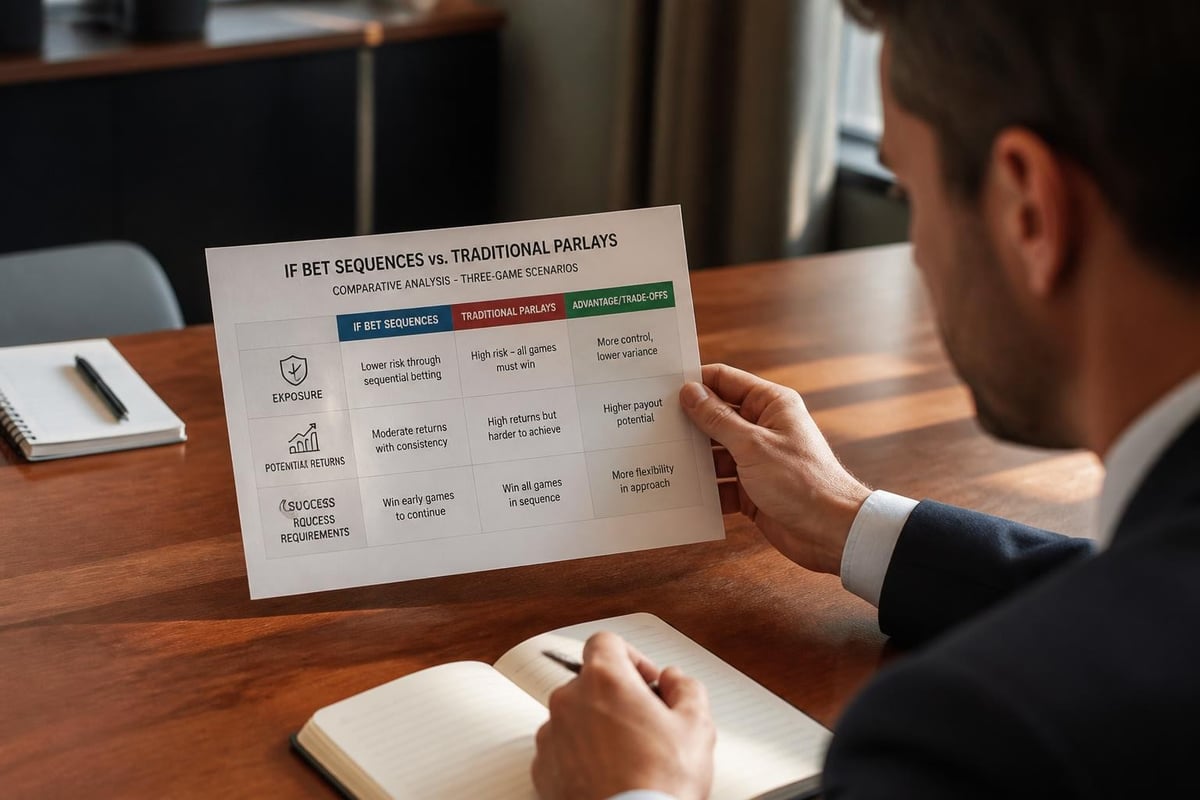
The strategic value becomes apparent when comparing outcomes across different scenarios. A traditional parlay risking $100 across three games at standard -110 odds would return approximately $596 if all three win, but returns nothing if any single game loses. The if bet approach with the same $100 investment would return money even if only the first selection wins, providing $91 profit before the sequence stops.

If Bet Variations and Implementation
Sports betting platforms typically offer several if bet variations to accommodate different risk tolerances and strategic approaches. Understanding these options helps operators provide comprehensive wagering menus that appeal to sophisticated bettors.
If Win Only Structure
The most common implementation processes the next selection only after a win occurs. This straightforward approach offers maximum risk protection since bettors never expose more than their original stake. This conditional nature makes it particularly attractive for bankroll management strategies.
| Feature | If Win Only | Traditional Parlay | Single Bets |
|---|---|---|---|
| Risk Exposure | Limited to initial stake | Total stake lost if any leg fails | Multiple separate stakes |
| Potential Return | Moderate, scales with wins | Highest if all win | Lowest per investment |
| Flexibility | High, stops after loss | None, all or nothing | Complete control |
| Complexity | Moderate | Low | Low |
If Win or Push Variations
Some platforms extend the if bet concept to include pushes (ties). In these structures, if the first selection pushes, the stake still moves to the next wager rather than returning to the bettor. This variation increases action but slightly elevates risk since tied outcomes don't protect the bankroll.
Double Action If Bets
The double action structure creates two separate if bet sequences from the same selections. Using this advanced approach, if a bettor selects Games A and B, the system creates both an "A if B" sequence and a "B if A" sequence. Both sequences process based on timing, essentially doubling the action and requiring twice the initial investment.
Strategic Applications for Bookmaking Operations
For bookmakers and agents using comprehensive sports betting platforms, understanding if bet dynamics provides several operational advantages. These wagers appeal to a specific bettor demographic that values calculated risk-taking over pure longshot chasing.
Player Retention Benefits
Sophisticated bettors who understand bankroll management often seek platforms offering diverse wagering options. If bets demonstrate operational sophistication and cater to educated players who appreciate risk mitigation tools. Platforms that streamline the process of placing these conditional wagers create competitive advantages in player acquisition and retention.
The psychological appeal differs from parlays significantly. While parlays attract players seeking massive payouts from small investments, if bets draw those who want enhanced returns without complete exposure. This demographic typically wagers more consistently and maintains longer player lifecycles.
Risk Management Considerations
From the book's perspective, if bets present unique risk management challenges and opportunities:
- Lower liability: Conditional nature means books hold less total liability compared to equivalent parlay action
- Increased hold percentage: Multiple sequential wagers compound the house edge effectively
- Better balance: These wagers naturally balance action since they don't create massive potential payouts that concentrate risk
- Player-friendly perception: Offering these options positions the operation as player-centric without significantly impacting profitability
Implementing If Bets Through PPH Platforms
Modern Pay Per Head platforms must accommodate if bet functionality to serve competitive markets effectively. The technical requirements involve sophisticated bet processing logic that handles conditional triggers, timing sequencing, and settlement workflows.
Platform Requirements
Quality sportsbook software needs several capabilities to properly support if bet wagering:
- Real-time game monitoring: System tracks results to automatically trigger subsequent wagers
- Automated stake calculation: Platform determines correct amounts for conditional bets based on previous outcomes
- Flexible sequencing: Interface allows players to arrange selections in preferred order
- Clear reporting: Both players and agents need transparent views of active sequences and outcomes
- Mobile optimization: Conditional wagers require intuitive mobile interfaces for widespread adoption
Operations running through comprehensive sportsbook platforms gain significant advantages when these features integrate seamlessly with broader risk management and player management tools. The ability to monitor if bet exposure alongside traditional wager types provides crucial operational intelligence.
Player Education and Support
Successfully offering if bets requires player education initiatives. Many bettors remain unfamiliar with how these conditional wagers work, despite their strategic value. Smart operators develop educational content, tutorial videos, and responsive support to help players understand implementation.
Agent training becomes equally important. Agents who can explain if bet advantages to their player base increase utilization rates and demonstrate value-added service. This educational approach strengthens the agent-player relationship while driving handle growth.
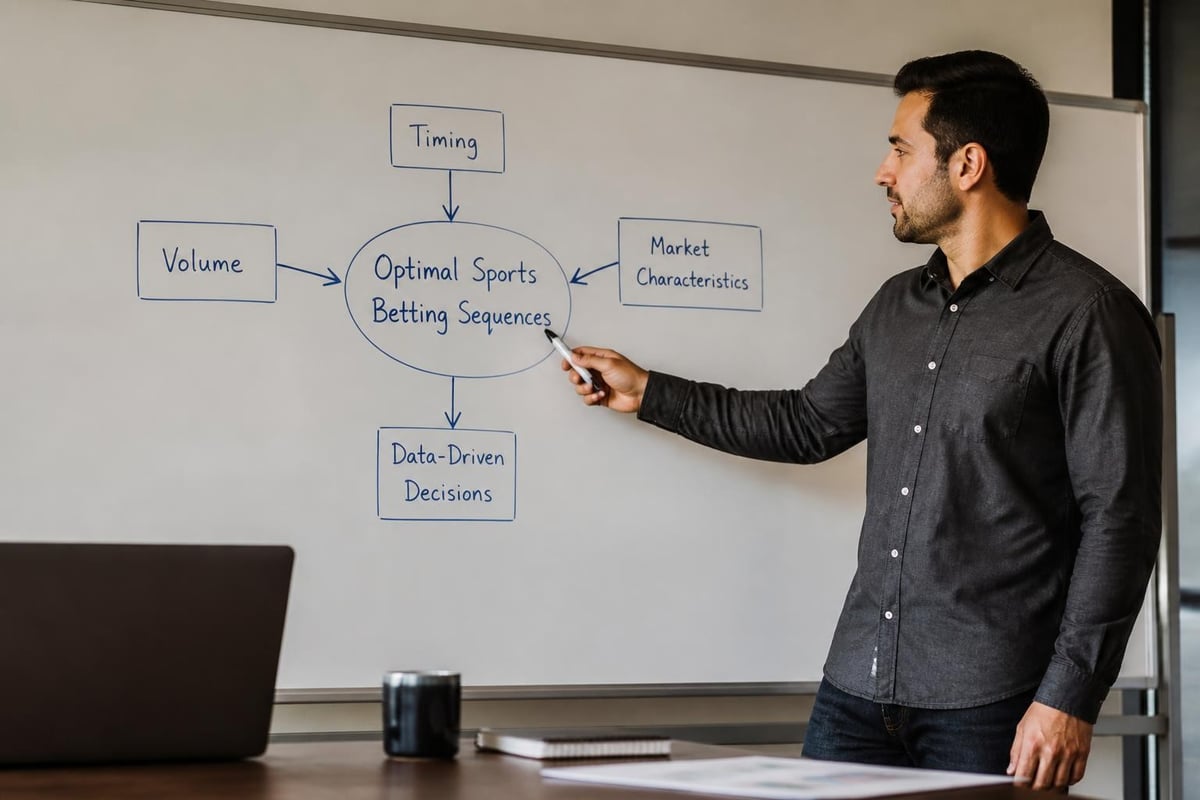
Optimal Sports and Situations for If Bets
Not all sporting events or situations suit if bet wagering equally. Understanding ideal applications helps both operators and bettors maximize the strategic value of this wagering format.
Best Sports for If Bet Action
Certain sports characteristics make them particularly suitable for conditional wagering:
Baseball emerges as an ideal sport for if bet sequences due to daily game volume and relatively predictable favorite/underdog dynamics. The sport's statistical nature also attracts analytically-minded bettors who appreciate sophisticated wagering options.
Basketball provides similar advantages with high game frequency during the season. The point spread betting culture in basketball creates natural if bet opportunities where bettors can sequence multiple spread wagers across different games.
Football works well despite lower game frequency because bettors often have strong opinions across multiple matchups within a single weekend. Weekend slate wagering through if bet structures lets players connect multiple Sunday games without full parlay exposure.
Timing Considerations
Game timing significantly impacts if bet strategy. When sequencing selections, bettors must consider:
- Start times: Earlier games should typically come first in the sequence unless specific strategic reasoning suggests otherwise
- Information advantages: Later games may benefit from injury news or weather updates, suggesting placement later in sequences
- Live betting integration: Some platforms allow live if bets, creating unique mid-game opportunities
- Settlement speed: Quick-settling markets (like first half bets) enable faster sequence progression
| Sport | Frequency | Settlement Speed | If Bet Suitability |
|---|---|---|---|
| Baseball | High (daily) | Fast | Excellent |
| Basketball | High (daily) | Fast | Excellent |
| Football | Low (weekly) | Moderate | Good |
| Soccer | Moderate | Moderate | Good |
| Hockey | Moderate | Fast | Very Good |
Mathematical Analysis and Expected Value
Understanding the mathematical underpinnings of if bet wagering helps operators price these markets appropriately and helps sophisticated bettors evaluate their strategic value. The conditional structure creates unique expected value calculations compared to other multi-game wagers.
Calculating If Bet Returns
For a two-game if bet sequence with standard -110 odds on both selections:
Scenario 1: Both games win
- Initial stake: $110
- First game returns: $210 ($110 stake + $100 win)
- Second game stake: $210
- Second game returns: $400.91 (approximately)
- Net profit: $290.91
Scenario 2: First game wins, second loses
- Initial stake: $110
- First game returns: $210
- Second game loses all: $210
- Net profit/loss: $0 (breakeven minus initial stake = -$110 loss)
Scenario 3: First game loses
- Initial stake: $110
- Loss: $110
- Sequence stops
- Net loss: $110
The expected value depends on win probability assumptions. If both games represent true 50/50 propositions (despite -110 pricing), the mathematical expectation shows slightly negative value due to the vig, similar to straight betting but with different variance characteristics.
Comparing If Bets to Alternative Structures
When evaluating if bet value, comparison to alternatives reveals specific use cases:
vs. Parlays: If bets sacrifice maximum payout potential for risk reduction. A three-leg parlay offers higher returns but fails completely if any selection loses, while a three-leg if bet returns money if the first one or two legs win.
vs. Separate straight bets: If bets create forced bankroll management by preventing additional risk after losses, while separate straight bets require discipline to limit exposure after early losses in a session.
vs. Round robins: Round robin structures create multiple parlays from a selection pool, requiring significantly higher initial investment but providing more ways to achieve partial success.
Operational Best Practices
For bookmaking operations considering if bet implementation or optimization, several best practices ensure successful deployment and sustained player engagement.
Clear Interface Design
The betting interface must clearly display the conditional nature of if bet sequences. Players need to understand:
- Which selection triggers first
- How much money rolls to subsequent selections
- What happens if early selections push or tie
- Current status of active sequences
- Historical performance of completed if bet tickets
Confusing interfaces lead to player disputes and support overhead. Investment in intuitive design pays dividends through reduced friction and increased adoption.
Appropriate Limits and Controls
Risk management requires thoughtful limit structures for if bet wagering:
- Maximum number of selections: Most operations cap if bet sequences at 3-4 selections to manage exposure
- Stake limits: Consider whether if bet limits should match straight bet limits or require higher minimums
- Sport restrictions: Some books exclude certain volatile markets from if bet eligibility
- Combination rules: Establish clear policies on mixing spread, moneyline, and total wagers within sequences
Marketing and Education
Successfully driving if bet handle requires targeted marketing efforts. Educational content should emphasize risk management benefits rather than positioning these as "system plays" or guaranteed strategies. Responsible messaging builds trust with sophisticated players while avoiding attracting problem gambling behaviors.
Promotional approaches might include:
- Risk-free if bet promotions for new players learning the structure
- Enhanced odds on specific if bet sequences during major sporting events
- Loyalty rewards that acknowledge the bankroll management discipline if bets represent
- Tutorial content showcasing actual strategic scenarios where if bets provide value
Advanced Strategic Considerations
Experienced bettors and sharp players develop sophisticated if bet approaches that operators should understand for risk management purposes.
Correlation Exploitation
Savvy players sometimes identify correlated outcomes that make if bet sequences particularly valuable. For example, betting a baseball game's first five innings under, then using winnings to bet the full game under leverages correlation between early scoring pace and total runs.
Operations should monitor for systematic correlation exploitation and adjust pricing or eligibility as needed. While allowing smart play demonstrates confidence in pricing, protecting against obvious mathematical arbitrage maintains profitability.
Bankroll Management Integration
Professional and semi-professional bettors often integrate if bet wagering into broader bankroll management systems. They may use these structures specifically when they have strong opinions across multiple games but want to prevent a poor start from decimating their daily or weekly allocation.
Understanding this usage pattern helps operators recognize their most valuable long-term players and develop retention strategies focused on reliable platform performance and competitive odds rather than promotional bonuses.
Hedging Applications
Some players use if bet sequences as part of hedging strategies, particularly when betting futures or multi-week proposition wagers. These advanced applications represent small portions of overall if bet volume but indicate high player sophistication levels.
Mastering if bet implementation provides bookmaking operations with a competitive edge in attracting sophisticated players who value strategic wagering options. The conditional structure offers a compelling middle ground between conservative single-game betting and high-risk parlays, appealing to disciplined bettors focused on long-term profitability. Whether you're launching a new sportsbook or enhancing an existing operation, PerHead Kings delivers the comprehensive platform capabilities, player management tools, and technical infrastructure needed to offer seamless if bet wagering alongside your complete sports betting menu, positioning your operation for sustained growth in competitive markets.
More Articles
Get the insight into the trending topics and latest action in the industry.



Sign Up Now
This is the day your business becomes elite!